
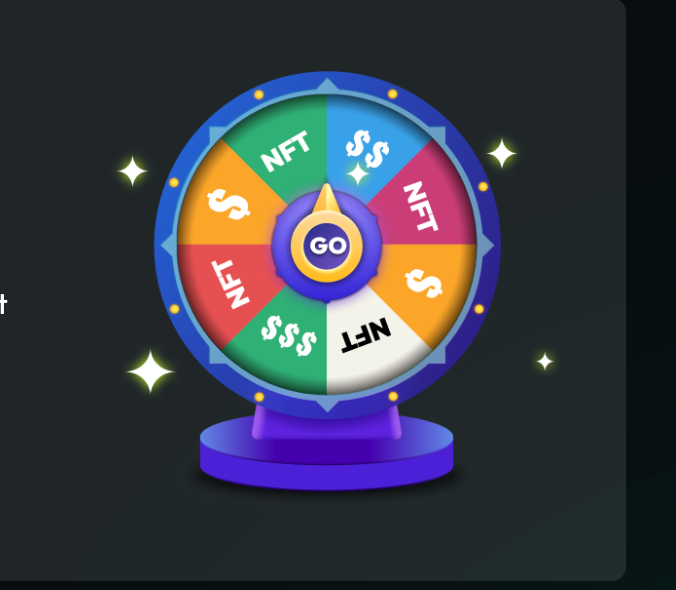
Every Web3 project reaches moments when the excitement dips — after a major campaign, between product updates, or during community quiet periods.
What if there were a simple way to revive engagement, reward loyalty, and drive viral excitement without draining your marketing budget?
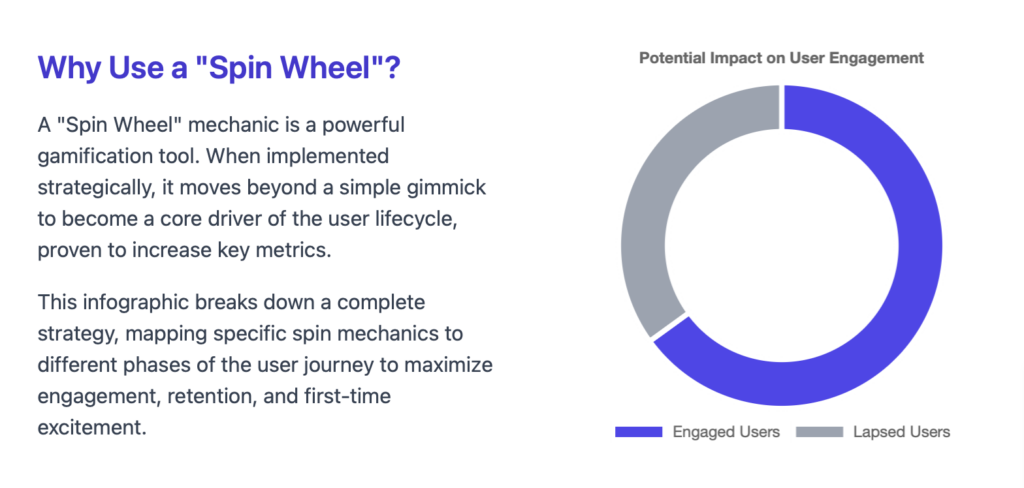
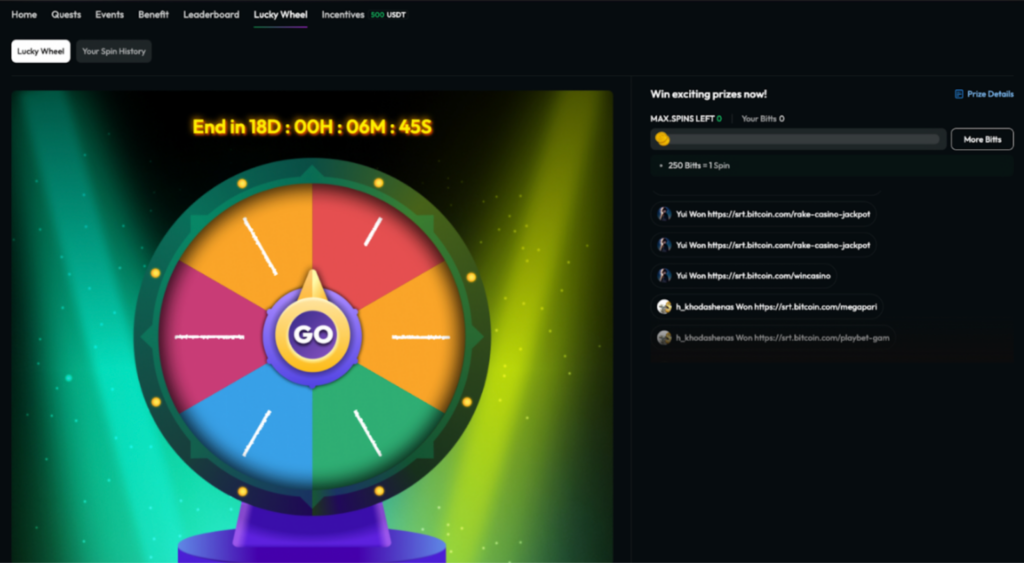
Introducing TaskOn’s Lucky Wheel — a lightweight yet powerful gamified feature designed to turn point redemption into an experience and keep users coming back for more.
1. Why the Lucky Wheel Works
At its core, the Lucky Wheel leverages one of the most powerful motivators in user behavior — probabilistic rewards.
Unlike fixed-value incentives, the chance-based design keeps participation thrilling.
Users know they might win something great, but even small rewards feel satisfying because the act of spinning creates anticipation, surprise, and delight.
From a business standpoint, this creates a perfect balance:
- High engagement driven by excitement.
- Low cost maintained by controlled probabilities.
The result? A tool that continuously reactivates users while keeping your budget predictable.
2. How It Works
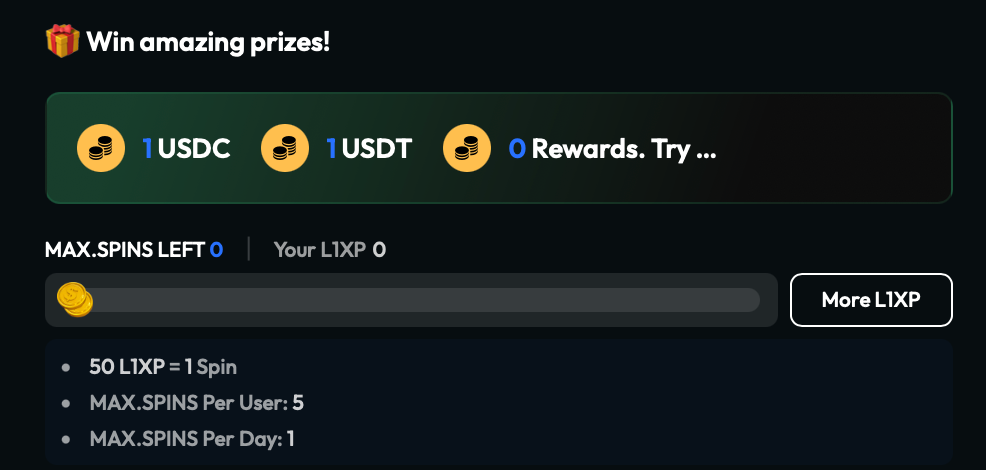
The Lucky Wheel integrates directly into TaskOn’s Incentive Center and connects with your project’s existing Points System.
- Points-for-Spin Model:
Users redeem their earned points (from tasks, streaks, or events) for a spin — linking ongoing engagement with excitement. - Configurable Rewards:
You decide what prizes to include — tokens, NFTs, Discord roles, bonus points, whitelist spots, coupons, or branded merch. - Adjustable Probability Settings:
Each prize can be assigned custom odds, allowing you to control the overall cost-to-reward ratio. - Blacklist & Frequency Limits:
Ensure fairness and prevent abuse by restricting specific wallets or capping daily spins.
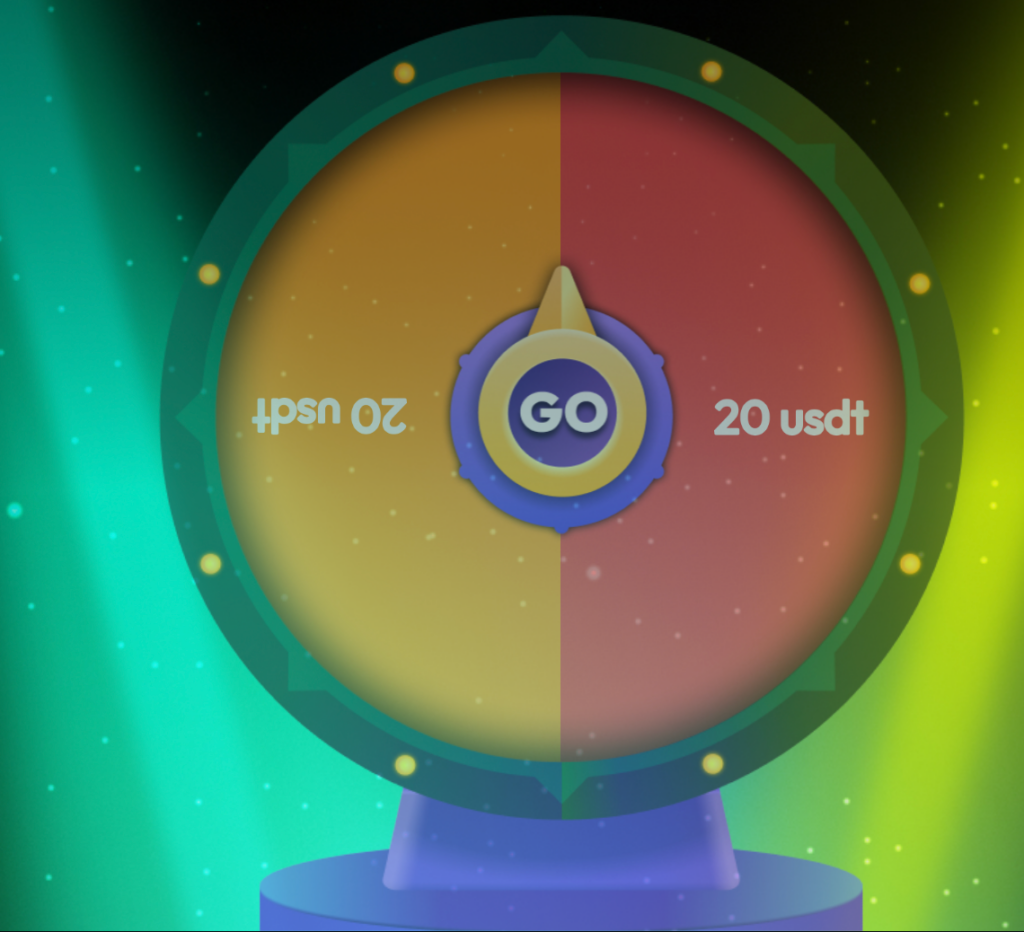
This flexibility lets you tailor the experience to your campaign’s objectives — whether boosting retention, rewarding loyalty, or celebrating milestones.
3. The Psychology of Probability-Based Incentives
The Lucky Wheel taps into what behavioral economists call the Variable Reward Principle — the same dynamic that drives games, lotteries, and surprise boxes.
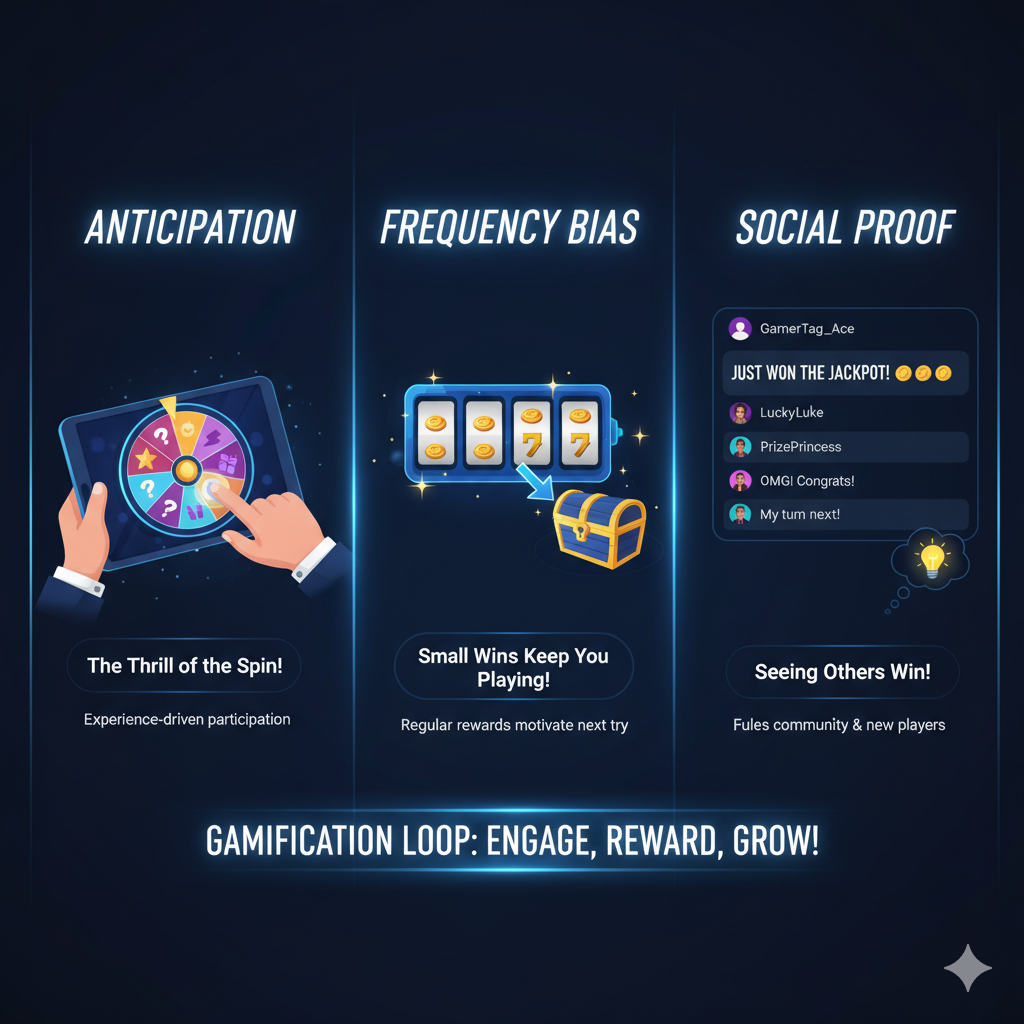
By combining these effects, projects can sustain long-term engagement at a fraction of the traditional incentive cost.
4. Designing for Low Cost, High Excitement
The secret to an effective Lucky Wheel lies in prize tiering and probability balancing.
🎯 Best Practice:
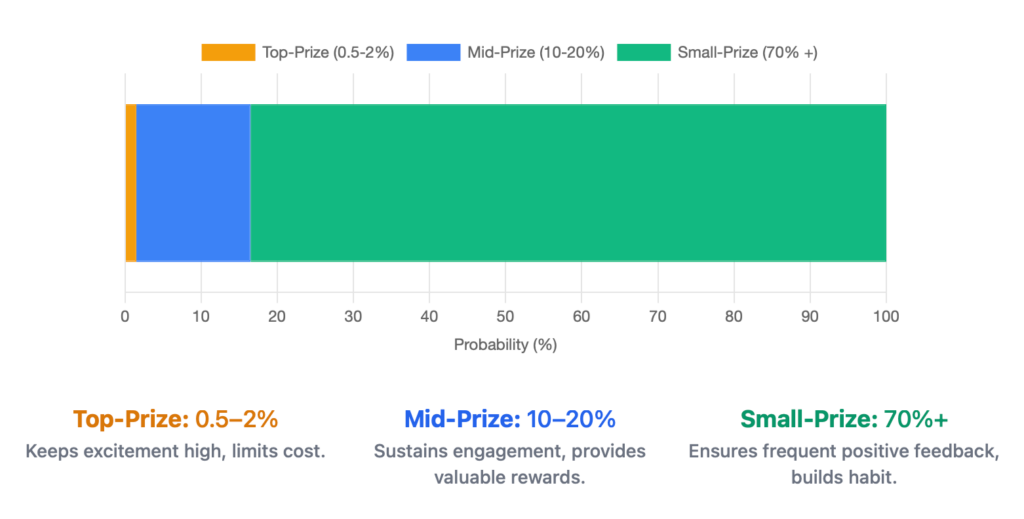
- Frequent Small Wins:
Offer minor yet satisfying prizes (e.g., 5 points, badges, discount codes) with higher probabilities to maintain momentum. - Moderate Wins:
Include mid-tier items (e.g., NFTs, bonus tokens) with moderate odds — enough to feel attainable. - Rare Big Wins:
Keep top prizes (e.g., large token rewards or exclusive NFTs) scarce to maintain aspiration without overspending.
This “small-win-often, big-win-rarely” approach ensures users stay emotionally invested while your budget remains efficient.
5. Application Scenarios
The Lucky Wheel is versatile and can be adapted across the entire user lifecycle:
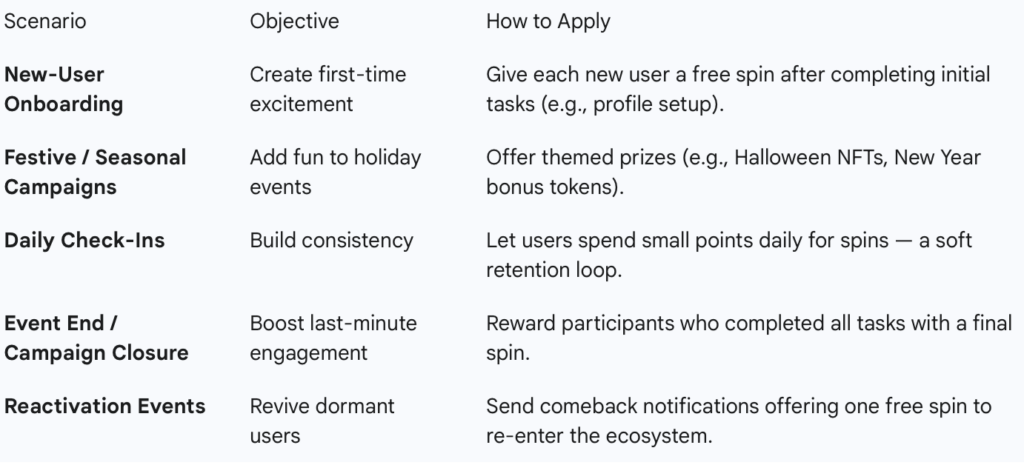
Each use case drives attention, strengthens habit loops, and amplifies social diffusion at minimal cost.
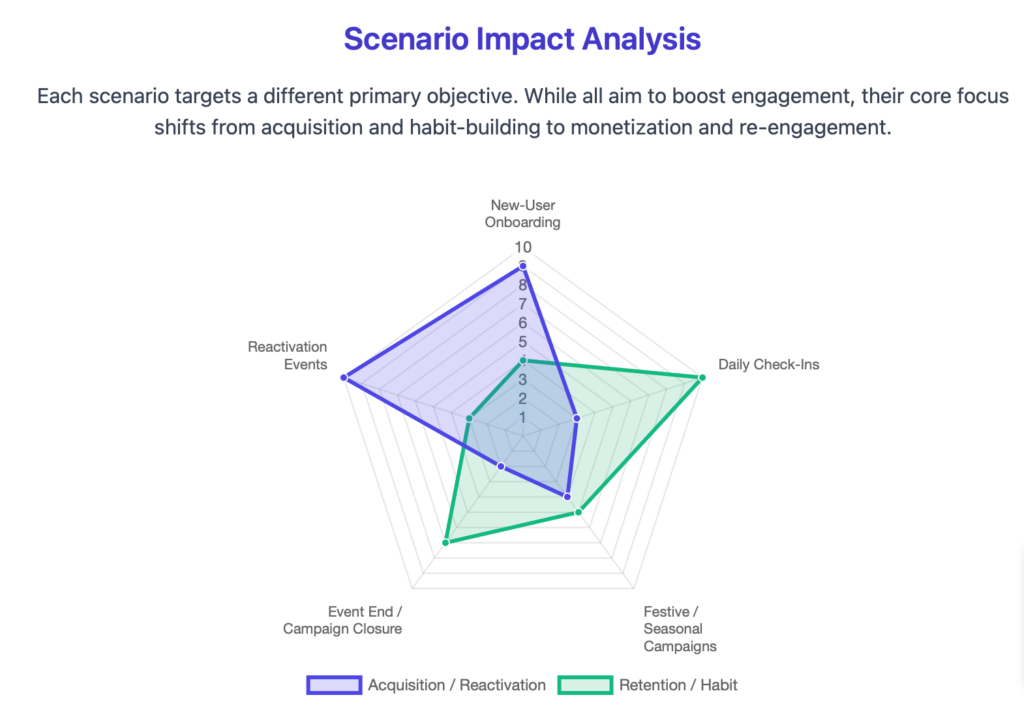
6. TaskOn Configuration Recommendations
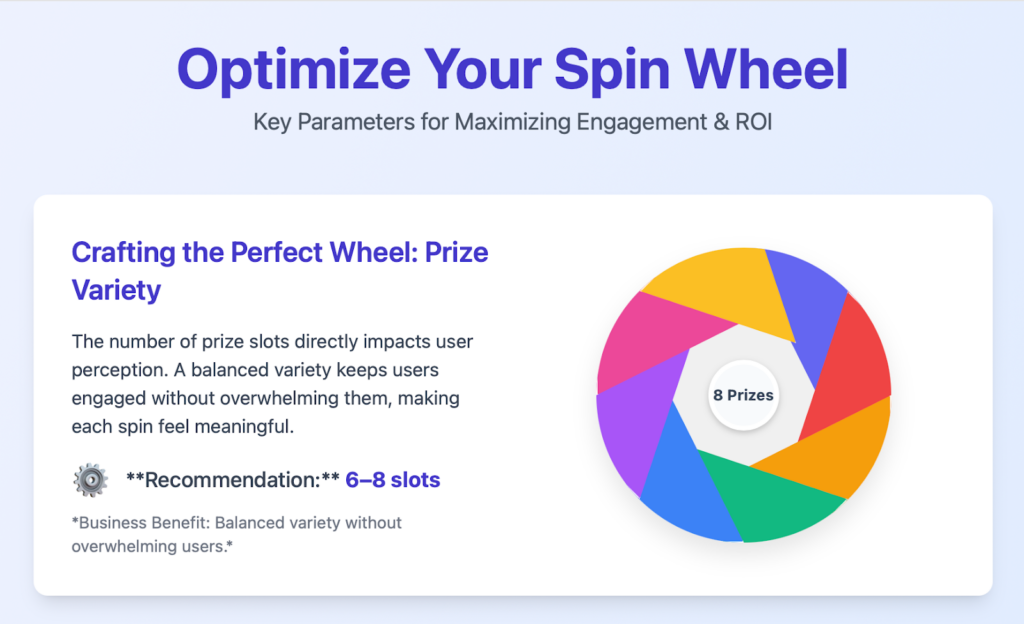
The distribution of prize probabilities is crucial for maintaining user excitement while managing operational costs. A well-tuned system offers frequent small wins and rare, thrilling big wins。
7. Business Impact: Beyond the Spin
The Lucky Wheel isn’t just entertainment — it’s an activation multiplier for your entire community strategy:
- 🔄 Encourages continual engagement after task completion.
- 🎁 Enhances perceived reward value without increasing actual cost.
- 🚀 Extends campaign reach through shareable excitement (“I just won!” posts).
- 📈 Increases retention and point circulation across your ecosystem.
When used strategically, the Lucky Wheel becomes the “final spark” that transforms a campaign from functional to unforgettable.
8. Example Use Case
Example: Holiday Reactivation Campaign
A DeFi protocol launches a “Winter Spin Event.”
- Users earn points through daily trades.
- Each 20 points = 1 spin on the Lucky Wheel.
- Prizes include tokens, NFT collectibles, and whitelist access.
- Big prize odds: 1%. Small prizes: common and recurring.
Result: +38% increase in returning users, +120% boost in redemption engagement, and higher social media activity — all at a fraction of traditional airdrop cost.
9. Why Businesses Choose Lucky Wheel
| Advantage | Description |
| Low-Cost Activation | Controlled probabilities minimize budget burn. |
| Flexible Configuration | Tailor rewards, spin limits, and eligibility easily. |
| Cross-Campaign Integration | Works seamlessly with TaskOn’s Points, DayChain, and Leaderboard systems. |
| Scalable Excitement | Engages thousands simultaneously with zero manual processing. |
Lucky Wheel is not just a feature — it’s a plug-and-play engagement engine that fits any phase of your user lifecycle.
10. Conclusion: Spin Engagement into Growth
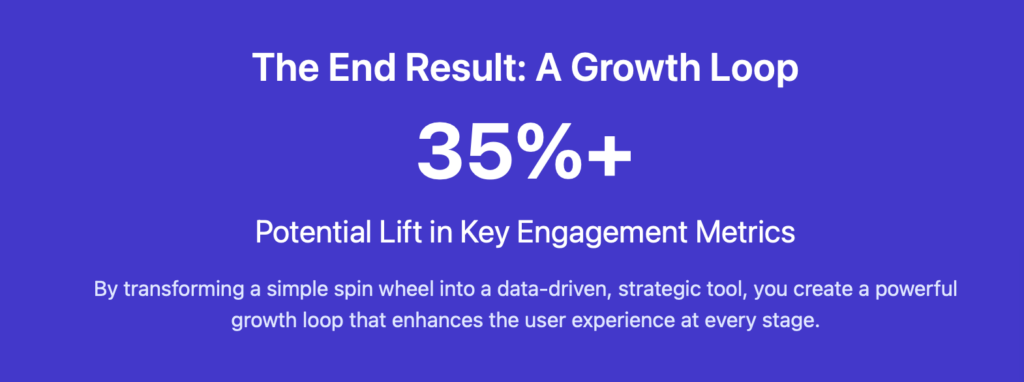
Incentives don’t have to be expensive to be effective.
By combining the thrill of chance with smart probability design, TaskOn’s Lucky Wheel helps projects achieve maximum engagement at minimum cost.
Whether it’s onboarding, seasonal celebration, or user revival —
one spin can re-ignite your community.