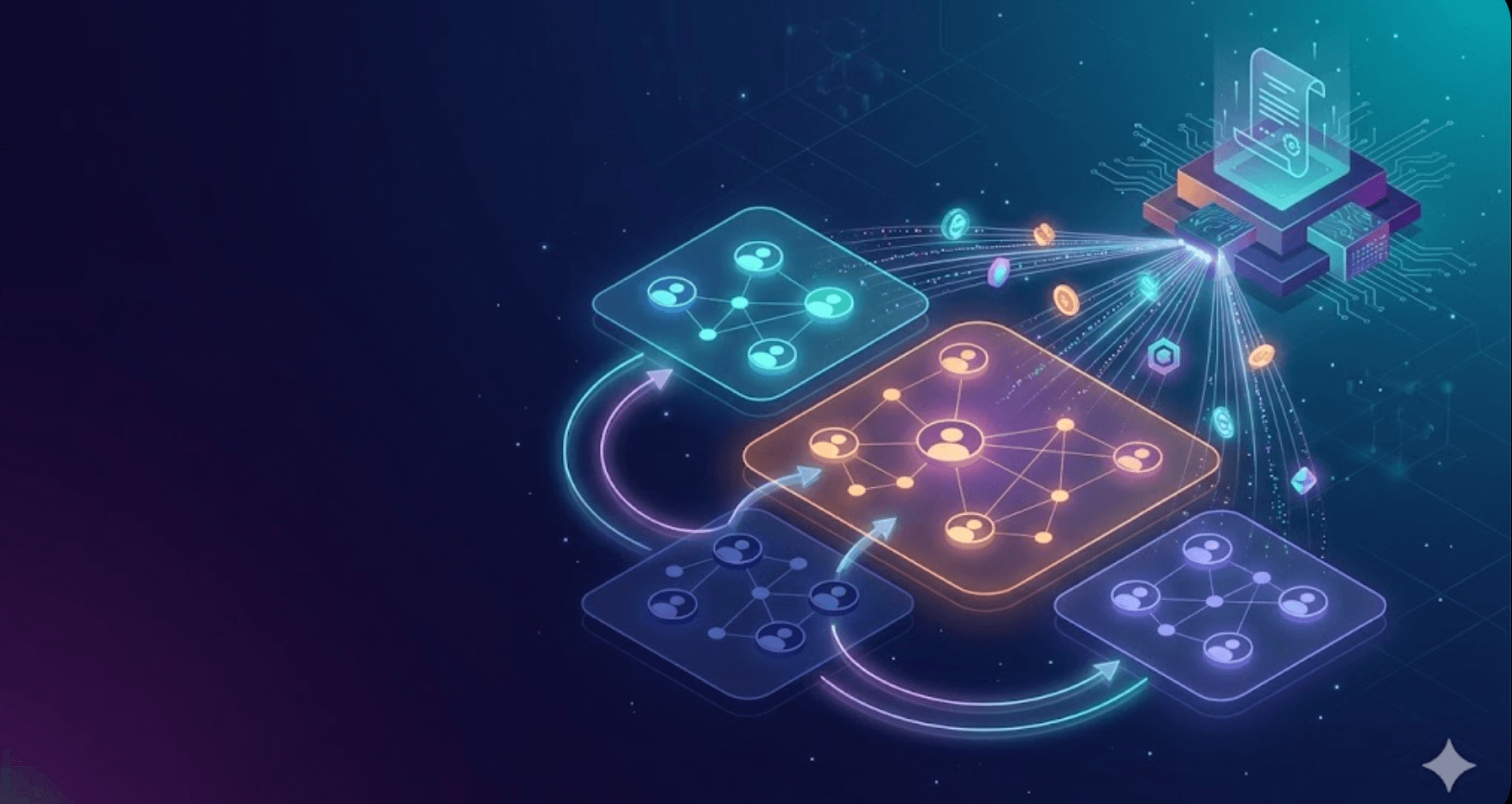
In Web2, “CRM” often meant databases, email lists, and automation tools.
In Web3, it’s about something deeper — understanding every wallet as a living user identity, and building differentiated, data-driven ways to connect, recall, and reward them across their journey.
TaskOn’s latest CRM framework redefines how projects manage users — from onboarding to reactivation — with an On-Chain-first, incentive-driven approach that turns data into long-term engagement.
1. Reframing CRM in the Web3 Context
In traditional CRM, users are identified by emails or phone numbers.
In Web3, the wallet itself is the user ID — a self-sovereign identity that records every transaction, interaction, and contribution.
This change forces us to rethink how “relationship management” works.
Instead of static customer profiles, we have dynamic on-chain behavior graphs — task completions, token holdings, and cross-campaign histories — all verifiable, permissionless, and traceable.
TaskOn builds on this foundation to let projects segment users not just by demographics, but by actual on-chain behavior.
2. User Segmentation: From Newcomers to Core to Dormant
Effective user operations start with clear segmentation.
TaskOn classifies wallet users into three key tiers based on interaction frequency, contribution value, and recent activity:
- 🟢 New Users: First-time participants completing their initial quests.
Goal: Build confidence and guide them toward their first meaningful action (swap, mint, stake).
Tools: Tutorial-style TaskChains + milestone rewards. - 🔵 Core Users: Consistent participants contributing to multiple campaigns.
Goal: Deepen engagement and loyalty through privilege-based incentives.
Tools: DayChain streaks, higher-tier leaderboards, and exclusive access to the Shop. - 🟠 Dormant Users: Previously active but inactive for a defined period.
Goal: Trigger reactivation through personalized recall tasks.
Tools: Targeted push missions, double reward multipliers, or limited-time redemption coupons.
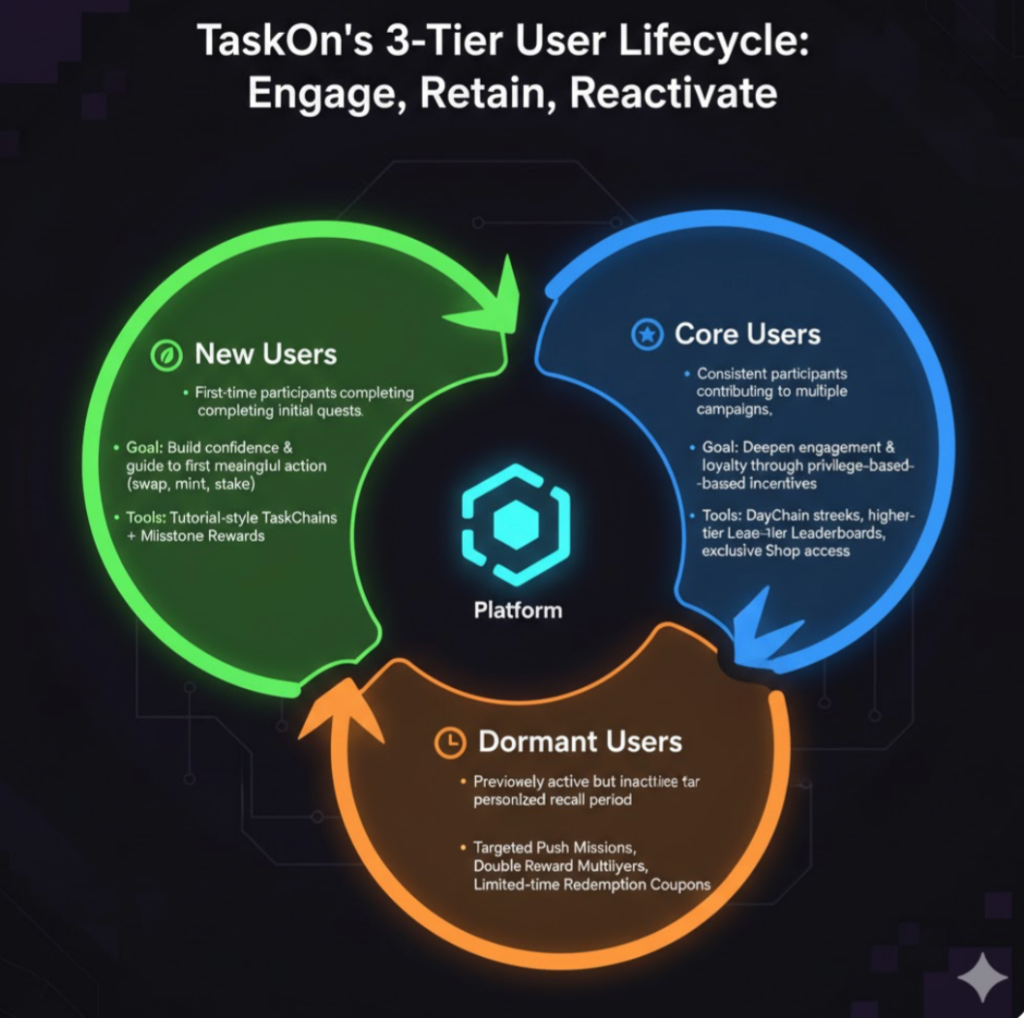
Each layer has its own content rhythm, reward path, and messaging tone, forming the foundation of lifecycle-driven engagement.
How ProbitGlobal monitors its best performing users
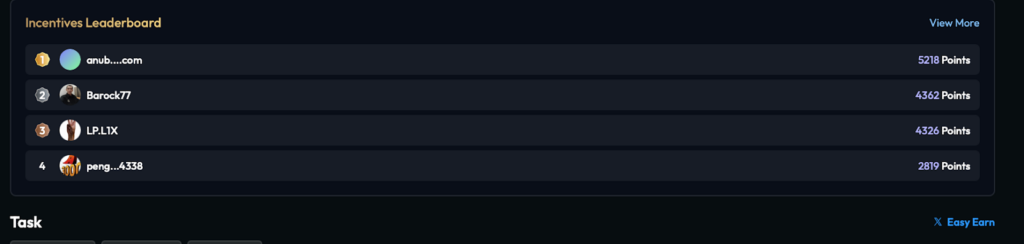
Probit Global uses its leaderboard ranking to showcase its all-time users who have collected points by completing Quests and Campaigns. By displaying this leaderboard on its Community Homepage, the project shows that it values the contribution of its users and encourages other users to also work harder and get on the leaderboard.
Onboarding New Users: The Probit Global Way
Probit Global has clearly defined the user growth path from a new to a dormant user. Let’s take a look at their onboarding process.
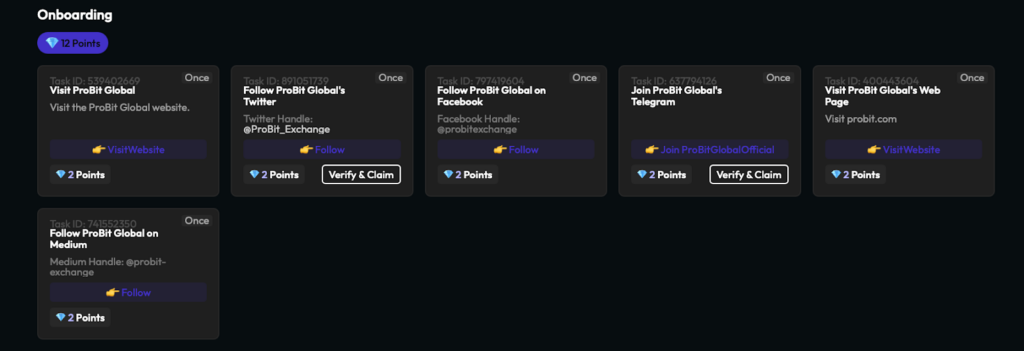
For users who just joined the community, the project starts off with basic tasks such as joining their social media communities, visiting the website, etc.
Users are able to familiarize with the project’s key special media platforms and stay up to date with the latest news, be familiar with the TaskOn journey and claim their first XP points.
3. Automated Reach & Recall Mechanisms
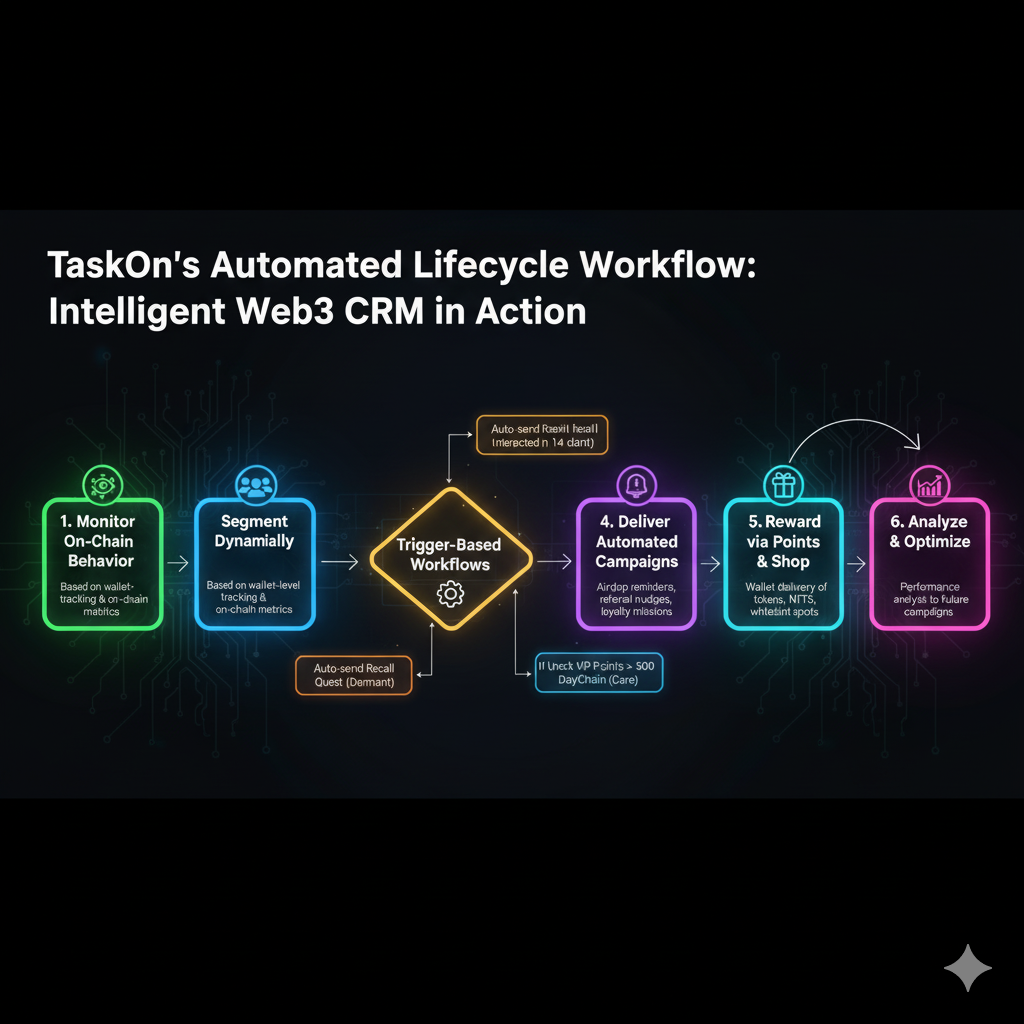
TaskOn’s automation layer makes segmentation actionable.
Projects can set trigger-based workflows — for example:
- “If user hasn’t interacted in 14 days → auto-send Recall Quest.”
- “If user’s Points > 500 → unlock VIP DayChain.”
This ensures campaigns don’t rely on manual operations but instead adapt dynamically to user behavior.
Through API-verified tasks and wallet-level tracking, TaskOn can automate re-engagement at scale — from airdrop reminders and referral nudges to loyalty missions.
Every message is meaningful because it’s based on contextual user status.
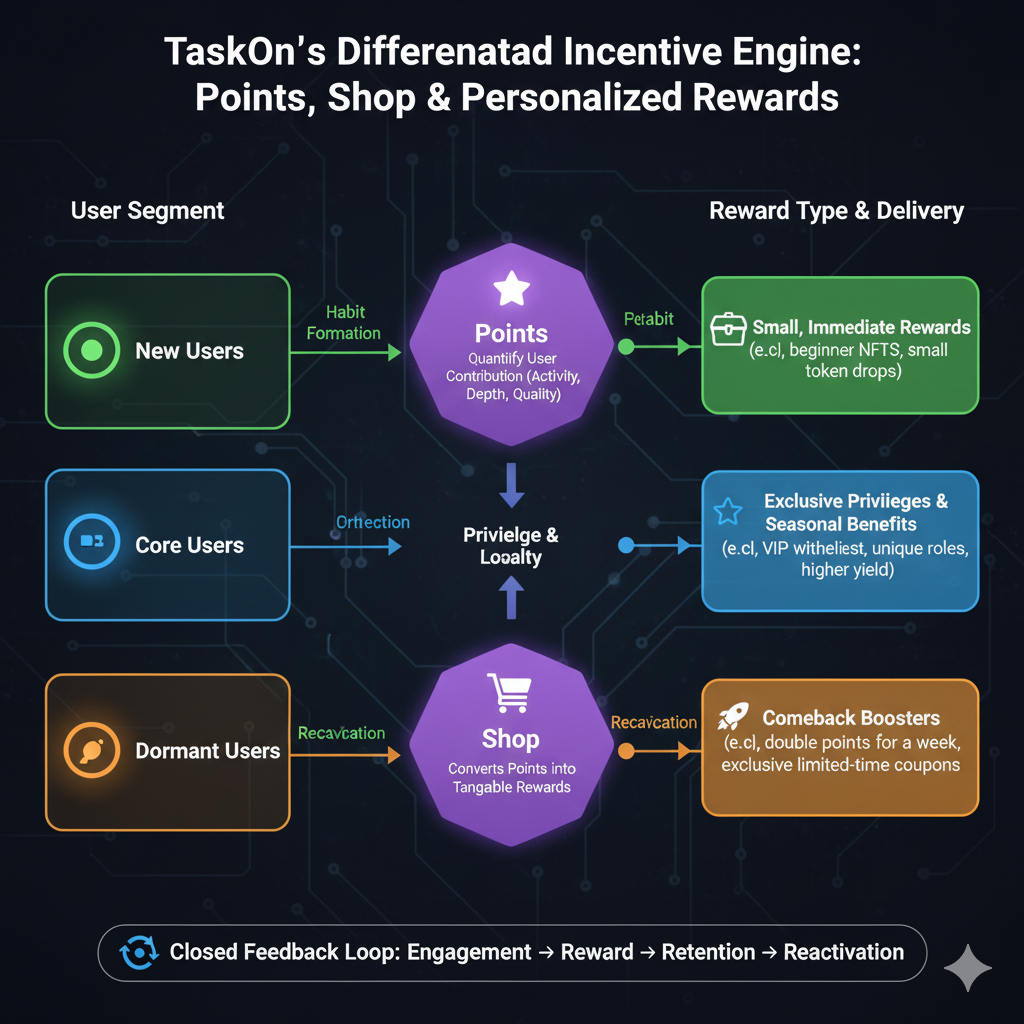
4. Differentiated Incentives: Turning Points into Personalized Rewards
A CRM system is only as strong as its incentive structure.
That’s where Points and Shop integration come in.
- Points quantify user contribution: activity frequency, depth, and quality.
- Shop converts these Points into tangible rewards: token vouchers, whitelist slots, NFTs, and more.
By linking user segmentation directly to incentive tiers, TaskOn enables differentiated reward delivery:
- New users get small, immediate rewards to form habits.
- Core users unlock exclusive privileges and seasonal benefits.
- Dormant users receive comeback boosters that reignite activity.
This creates a closed feedback loop — engagement → reward → retention → reactivation — all within one unified system.
How Okto uses TaskOn’s Benefit Shop to let users redeem real rewards
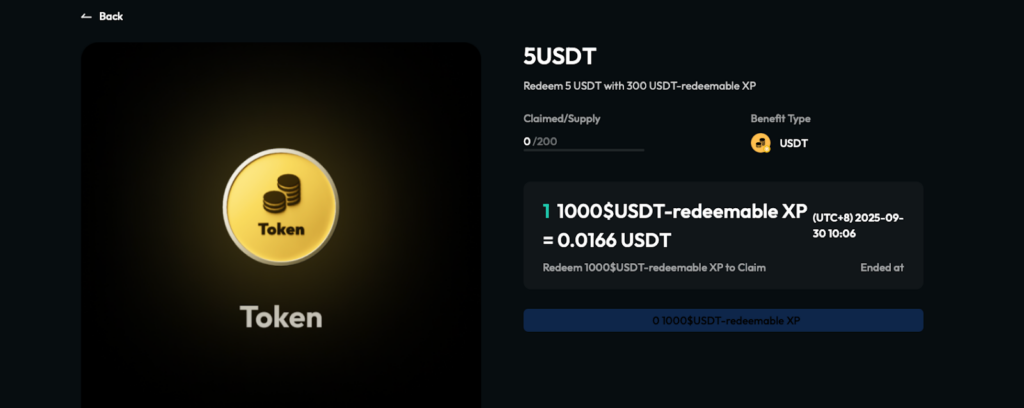
By partnering with TaskOn, Okto is able to add onchain/offchain tasks with multiple quests and allow users to earn XP. Upon reaching a certain number of XP points, users can exchange them for USDT rewards through TaskOn’s Benefit Shop. This lets users feel the value of XP points, and are encouraged to take part in quests. Adding a limited time for USDT redemption also increases urgency, and projects are able to see a quick gain in user engagement.
5. From Manual Management to Intelligent Lifecycle Automation
Before TaskOn, user operation in Web3 was fragmented — spreadsheets, Discord tracking, and manual reward lists.
Now, with lifecycle automation, projects can run a fully autonomous CRM pipeline:
- Segment users via on-chain metrics.
- Trigger automated tasks or recall campaigns.
- Reward users via Points → Shop → wallet delivery.
- Analyze performance to optimize the next campaign.
The result?
Less operational overhead, more consistent engagement, and a measurable boost in user retention.
🌐 TaskOn: Redefining Web3 CRM
In a decentralized world, users aren’t just IDs in a database — they’re wallets with intent and history.
TaskOn’s user lifecycle system transforms CRM from static management into an active relationship engine — one that segments, engages, and rewards with precision.
Differentiated incentives, automated recall, and seamless Points-Shop integration
turn user operation into a living, adaptive system —
empowering every project to grow, retain, and re-engage its community with intelligence.